
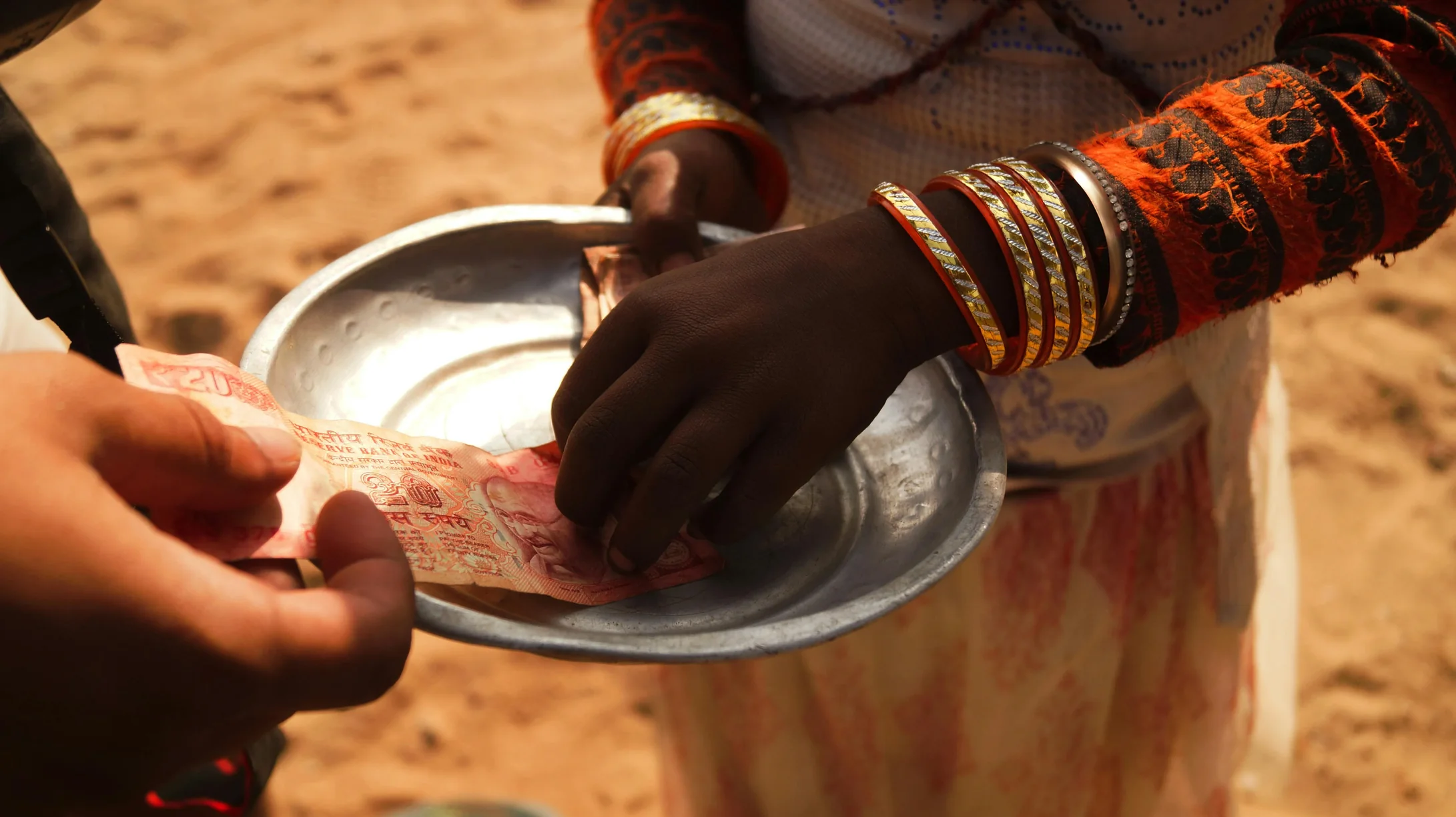
If you are a Muslim living in India and want to know exactly how much Zakat you owe, this Zakat Calculator India gives you an instant, accurate result. Enter your assets above — cash, savings, gold, silver, and trade goods — and the calculator works out your Zakat in Indian Rupees (₹) using current MCX market rates. Below, we explain everything you need: what the nisaab of Zakat is in INR, a clear step-by-step calculation guide, how much Zakat on 1 lakh rupees, how much Zakat on 1 tola gold in India, and worked examples in rupees and lakhs so every figure feels locally real.
How to Use This Zakat Calculator for India
Using this online Zakat calculator for India takes less than two minutes:
- Enter your cash and bank savings in ₹ — savings accounts, fixed deposits, recurring deposits, and cash at home.
- Enter the value of your gold and silver in ₹ — based on the current MCX (Multi Commodity Exchange) price on your calculation date.
- Enter the value of any business or trade inventory — goods held for sale at current market value in rupees.
- Add any money owed to you — loans you have given others that you reasonably expect to recover.
- Deduct any debts you currently owe — outstanding loans, EMIs due now, or other current liabilities.
- The calculator automatically checks your net total against the nisaab threshold in INR and displays your Zakat due at 2.5%.
For gold held as your primary asset, use our dedicated Gold Zakat Calculator for a weight-based result. For a full breakdown across all asset types combined, this India Zakat calculator covers everything in one place.
What Is Zakat? A Brief Overview for Indian Muslims
Zakat is the third pillar of Islam — a mandatory annual contribution taken from a Muslim's accumulated wealth and distributed to those who are entitled to receive it. After Salah (prayer), it is the act of worship most frequently mentioned in the Quran, appearing alongside prayer in over 80 verses.
The word "Zakat" in Arabic carries two complementary meanings. The first is purification (taharah) — to cleanse wealth of spiritual impurity. The Quran uses this sense in Surah Al-Shams:
قَدْ أَفْلَحَ مَن زَكَّاهَا
"Indeed, he who purifies it (the soul) has succeeded."
The second meaning is growth and flourishing (nama) — wealth spent in the way of Allah does not diminish but multiplies through divine blessing:
خُذْ مِنْ أَمْوَالِهِمْ صَدَقَةً تُطَهِّرُهُمْ وَتُزَكِّيهِم بِهَا وَصَلِّ عَلَيْهِمْ إِنَّ صَلَاتَكَ سَكَنٌ لَّهُمْ وَاللَّهُ سَمِيعٌ عَلِيمٌ
"Take from their wealth a charity (Zakat) by which you purify them and cause them to grow, and invoke Allah's blessings upon them. Indeed, your invocations are reassurance for them. And Allah is All-Hearing, All-Knowing."
"When you have paid the Zakat of your wealth, you have fulfilled the obligation that was upon you."
For a detailed explanation of Zakat's meaning, pillars, rates, and the eight categories of recipients, read our complete guide: What Is Zakat?
Nisaab of Zakat in India (in Indian Rupees ₹)
The nisaab is the minimum amount of wealth a Muslim must own before Zakat becomes obligatory. It is not a fixed rupee figure — it is always the current Indian market equivalent of a specific weight of silver or gold. This means Indian Muslims must check the current MCX silver or gold rate on the day they calculate their Zakat.
Silver Nisaab in Indian Rupees (Most Common)
The silver nisaab is 52.5 tola of silver, which equals 612.36 grams. This is the nisaab that applies to the vast majority of Indian Muslims, because most people hold a combination of assets — cash in a bank account, some gold, trade goods — and the silver standard governs all such combinations.
1. Find the current silver price per gram in ₹ from MCX or any live Indian commodity platform.
2. Multiply by 612.36 grams.
3. If your total zakatable wealth equals or exceeds this figure, Zakat is due on the entire amount.
Illustrative example: If silver is trading at ₹90 per gram, the silver nisaab = ₹90 × 612.36 = approximately ₹55,112. At ₹100 per gram, the nisaab = approximately ₹61,236. Always use the MCX rate on your actual Zakat date.
The silver standard is recommended by scholars for combined assets because it is more inclusive and ensures a greater proportion of the Muslim community fulfils the obligation. As Al-Fatawa al-Hindiyya states: "The valuation should be done in whichever way is more beneficial for the poor." — Al-Fatawa al-Hindiyya, Vol. 1, p. 179 (Dar al-Fikr, Beirut)
Gold Nisaab in Indian Rupees
The gold nisaab is 7.5 tola of gold, which equals approximately 87.48 grams. This nisaab applies only when gold is your sole zakatable asset — you hold no cash savings, no silver, and no trade goods alongside it.
How to Calculate Zakat in India — Step by Step
Once your total wealth meets the nisaab and a full lunar year (hawl) has passed, the calculation is:
Zakat = (Total zakatable assets − Debts) × 2.5%
(or equivalently: net zakatable wealth ÷ 40)
Step 1: List your zakatable assets in ₹
Add together the current rupee value of:
- All cash at home and bank balances (savings accounts, current accounts, FDs, RDs)
- Gold and silver — at today's MCX selling price
- Business inventory and trade goods — at current market value
- Loans and receivables — money owed to you that you expect to recover
- Prize bonds, NSC certificates, and similar instruments held as savings — at redemption value
Items of personal necessity are excluded: your home, personal clothing, household furniture, your vehicle used for daily commuting, and tools of your profession. These do not enter the Zakat calculation.
Step 2: Deduct debts and liabilities
From your total zakatable wealth, subtract: any loans or borrowings currently due for repayment, outstanding EMIs or bills payable now, and any other current liabilities. The remaining figure is your net zakatable wealth.
Step 3: Apply the 2.5% Zakat rate
If your net zakatable wealth equals or exceeds the silver nisaab in INR, multiply by 2.5% (or divide by 40). The result is your Zakat in rupees.
| Bank savings | ₹4,00,000 |
| Gold (current MCX value) | ₹2,50,000 |
| Cash at home | ₹25,000 |
| Loan given to a relative | ₹50,000 |
| Total zakatable assets | ₹7,25,000 |
| Less: outstanding loan EMI due | − ₹30,000 |
| Net zakatable wealth | ₹6,95,000 |
| Zakat due (÷ 40) | ₹17,375 |
How Much Zakat on 1 Lakh Rupees in India?
This is one of the most searched Zakat questions in India, and the answer is straightforward.
Zakat on ₹1 lakh = ₹2,500
The calculation: ₹1,00,000 × 2.5% = ₹2,500. Or simply: ₹1,00,000 ÷ 40 = ₹2,500.
This applies when your net zakatable wealth (after deducting debts) equals or exceeds the current silver nisaab in INR and has been held for a complete lunar year.
| Net zakatable wealth | Zakat due (2.5%) |
|---|---|
| ₹1,00,000 (1 lakh) | ₹2,500 |
| ₹2,00,000 (2 lakh) | ₹5,000 |
| ₹5,00,000 (5 lakh) | ₹12,500 |
| ₹10,00,000 (10 lakh) | ₹25,000 |
| ₹25,00,000 (25 lakh) | ₹62,500 |
| ₹50,00,000 (50 lakh) | ₹1,25,000 |
Condition: These amounts apply only if your net zakatable wealth equals or exceeds the current silver nisab (approximately ₹55,000–₹65,000 depending on the daily MCX silver rate). If your wealth is below the nisab, no Zakat is due regardless of the table above.
Gold Zakat Calculator India — Zakat on Gold in India
Gold is among the most significant zakatable assets for Indian Muslims — and India is one of the world's largest gold-holding nations. Understanding how to calculate Zakat on gold accurately is essential.
The Zakat rate on gold is 2.5% (one-fortieth) of the total zakatable gold's current market value. Two conditions must be met: the gold must meet the nisaab threshold, and it must have been held for a complete lunar year.
No separate intention to trade is needed for gold to be zakatable. As stated in Tabyin al-Haqa'iq: "Gold and silver were created as monetary mediums for trade, so no intention of trade is needed for them." — Tabyin al-Haqa'iq, Vol. 1, p. 277 (Multan)
How Much Zakat on 1 Tola Gold in India?
1 tola = 11.664 grams.
Since the gold nisaab is 7.5 tola (87.48g), 1 tola of gold alone does not reach the gold nisaab. If your only zakatable asset is 1 tola of gold, no Zakat is due on it in isolation.
However: If you also hold cash, silver, or trade goods alongside this 1 tola of gold, all assets are combined and assessed against the silver nisaab in INR. If the combined total meets the silver nisaab, Zakat at 2.5% is due on the entire combined amount.
Value of 1 tola = 11.664g × ₹7,000 = approximately ₹81,648
This exceeds the typical silver nisab (≈ ₹55,000–₹65,000)
If this gold is combined with any other zakatable asset, Zakat is due on the total.
Zakat on 1 tola gold value alone: ₹81,648 ÷ 40 = approximately ₹2,041
Always use the MCX gold price on your actual Zakat date.
Gold Zakat Worked Example in INR ₹
Scenario: You own 15 tola (174.96g) of gold — exceeding the 7.5 tola gold nisab — and hold no other zakatable assets.
MCX gold price: ₹7,000 per gram (illustrative)
Total gold value: 174.96 × ₹7,000 = ₹12,24,720
Zakat (÷ 40): ₹12,24,720 ÷ 40 = ₹30,618
Alternatively, if paying Zakat as physical gold: 15 tola × 2.5% = 0.375 tola of gold.
Zakat on Savings and Cash in India
For many Indian Muslims, the largest zakatable asset is cash savings — whether in a bank savings account, a fixed deposit, a recurring deposit, or simply cash kept at home. The rules are clear and consistent.
Which Indian savings instruments are zakatable?
All of the following are included in your Zakat calculation:
- Standard savings and current bank accounts
- Fixed deposits (FDs) and recurring deposits (RDs) — at their current redemption value
- Cash at home
- Post Office savings accounts and National Savings Certificates (NSC) — at current value
- Money held in digital wallets (PhonePe, Paytm, Google Pay balance accounts)
- Loans given to others that you expect to recover
Items not included: your residential property, personal clothing and household goods, vehicle for personal use, and tools or equipment for your livelihood.
Al-Fatawa al-Hindiyya states: "Whoever possesses a nisaab and acquires additional wealth of the same type during the year, he adds it to his existing wealth and pays Zakat on it." — Al-Hindiyya, 1/175
Frequently Asked Questions — Zakat India
What is the Zakat calculator for India?
A Zakat calculator India tool takes your total zakatable assets in Indian Rupees — cash, savings, gold and silver valued at the current MCX rate, and trade goods — deducts your current liabilities, and applies the 2.5% Zakat rate if your net wealth meets the current nisaab threshold in INR. The calculator at the top of this page gives an instant result based on current Indian market rates.
What is the nisaab of Zakat in India?
The nisaab of Zakat is the minimum wealth threshold. For most Indian Muslims, the silver nisaab applies: the current INR value of 612.36 grams of silver (approximately ₹55,000–₹65,000 depending on the daily MCX silver rate). If your combined zakatable assets — cash, gold, silver, trade goods — equal or exceed this figure after deducting debts, Zakat is obligatory at 2.5%.
How much Zakat on 1 lakh rupees in India?
Zakat on ₹1 lakh = ₹2,500 (₹1,00,000 × 2.5%). This assumes your total net zakatable wealth equals or exceeds the silver nisaab and has been held for a full lunar year. For ₹2 lakh: ₹5,000. For ₹5 lakh: ₹12,500. For ₹10 lakh: ₹25,000.
How much Zakat on 1 tola gold in India?
1 tola = 11.664 grams. At an MCX gold price of ₹7,000/g, 1 tola is worth approximately ₹81,648. If this is your only asset, it does not reach the gold nisaab (7.5 tola / 87.48g) so no Zakat is due on it alone. If combined with cash or other assets and the total exceeds the silver nisaab, Zakat at 2.5% is due on the total. The Zakat on 1 tola's value alone would be approximately ₹2,041 (₹81,648 ÷ 40).
What is Zakat on gold in India?
Zakat on gold in India is 2.5% of the total gold's current MCX market value, provided the gold meets the nisaab (7.5 tola / 87.48g if gold alone; silver nisaab value if combined with other assets) and has been held for a complete lunar year. Zakat applies to gold jewelry, gold bars, gold coins, and digital gold — regardless of whether it is worn or stored.
What is the gold Zakat calculator India?
A gold Zakat calculator India is a specialised tool where you enter the weight of your gold in grams or tola, indicate whether you hold other zakatable assets, and the calculator applies the appropriate nisaab (gold or silver) and shows your Zakat in INR at the current MCX gold rate. Our dedicated Gold Zakat Calculator provides a full weight-based result.
Is Zakat calculator in Indian rupees available?
Yes — the calculator at the top of this page operates entirely in Indian Rupees (₹) using current MCX gold and silver rates. Enter all your assets in rupees, and it returns your Zakat amount in rupees. The nisaab threshold is automatically updated to reflect current Indian commodity prices.
Is Zakat on gold jewellery obligatory in India?
Yes — according to the Hanafi school of jurisprudence, which the majority of Indian Muslims follow, Zakat is obligatory on gold jewellery when it reaches the nisaab, regardless of whether it is worn daily or stored. The Prophet ﷺ confirmed this obligation when he saw gold bangles on a woman and asked: "Do you pay Zakat on these?" — Ahmad 2/178; Abu Dawud 1563. Pay 2.5% of the jewellery's current INR market value.
Can I pay Zakat in instalments in India?
Yes. Calculate your total Zakat due on your annual lunar Zakat date and pay it in portions throughout the year as is convenient. The obligation is to ensure the full amount is eventually settled. Many Indian Muslims calculate in Ramadan and pay gradually over the year.
References: Sunan Ibn Majah, 1788; Sunan al-Tirmidhi, Bab Zakat al-Dhahab wal-Fidda, 3/16 (Beirut); Sunan Abi Dawud, Bab fi Zakat al-Sa'ima, 2/11; Al-Fatawa al-Hindiyya, Vol. 1, pp. 175, 178–179, Kitab al-Zakat (Rashidiyya); Radd al-Muhtar ala al-Durr al-Mukhtar — Fatawa Shami, Vol. 2, p. 262, Kitab al-Zakat; Bada'i al-Sana'i, Vol. 2, pp. 410, 413 (Beirut); Tabyin al-Haqa'iq, Vol. 1, p. 277 (Multan); Fatawa Ahl al-Sunnat, Kitab al-Zakat, p. 237 (Maktabat al-Madina, Karachi); Ahmad 2/178; Abu Dawud 1563; Al-Shams 91:9; Al-Tawbah 9:103; Ibrahim Anis, Al-Mu'jam al-Wasit, 1:396.