
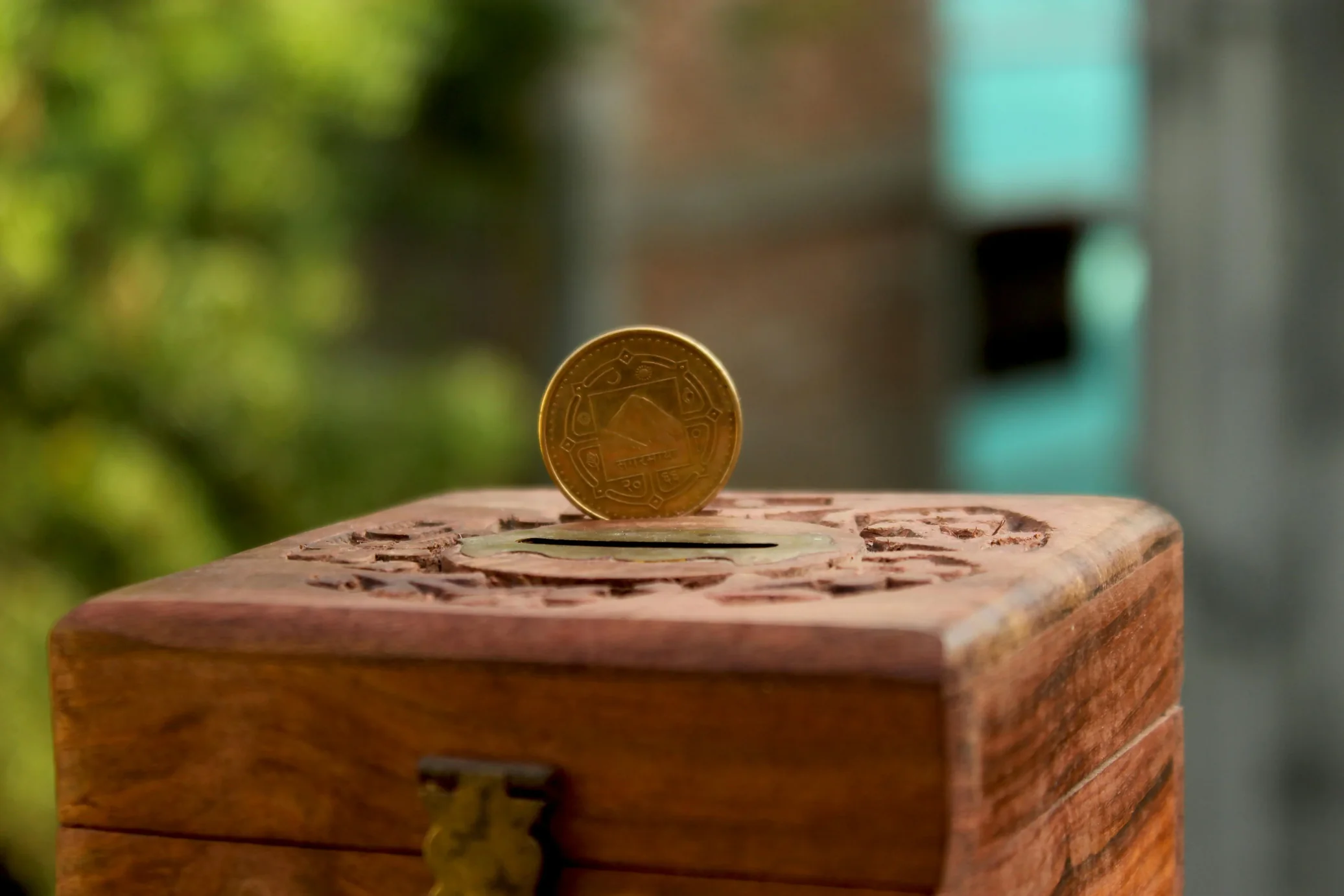
What is Zakat?
Zakat (زكاة) is one of the five pillars of Islam, alongside Shahada (faith), Salah (prayer), Sawm (fasting), and Hajj (pilgrimage). The word Zakat itself means "purification" and "growth" in Arabic — giving Zakat cleanses your remaining wealth and attracts blessings.
Unlike voluntary charity (Sadaqah), Zakat is an obligatory act of worship. Allah commands it directly in the Quran, and the Prophet Muhammad ﷺ made it one of the foundational duties of every Muslim. Refusing to pay Zakat when it is due is considered a major sin in Islam.
"And establish prayer and give Zakat, and whatever good you put forward for yourselves — you will find it with Allah."
Quran 2:110Who Must Pay Zakat?
Zakat is obligatory for every Muslim who meets all of the following conditions:
- Muslim — Zakat is only obligatory upon Muslims. Non-Muslims are not required to pay it.
- Adult (Baligh) — A Muslim who has reached the age of maturity. There is a scholarly difference of opinion on Zakat for minors' wealth.
- Sane (Aaqil) — A person who is of sound mind.
- Owns Nisab — Possesses wealth equal to or greater than the Nisab threshold.
- One full lunar year (Hawl) — The wealth has been in your possession for a complete Islamic year (approximately 354 days).
What Wealth is Zakatable?
Not all of your possessions are subject to Zakat. The general rule is that productive, liquid, and growth-oriented wealth is zakatable, while personal-use assets are not.
Zakatable Assets ✅
- Cash — in hand, in bank accounts, in savings
- Gold and silver — jewellery, coins, bars
- Business inventory — goods held for sale
- Investments — stocks, mutual funds, rental income
- Cryptocurrency — at current market value
- Receivables — money owed to you that you expect to receive
Non-Zakatable Assets ❌
- Your primary home and personal property
- Personal vehicles used for transport
- Household furniture, clothing, and appliances
- Business equipment and fixed assets (machinery, etc.)
The Nisab Threshold
Nisab is the minimum amount of wealth a Muslim must possess before Zakat becomes obligatory. It is derived from two standards set by the Prophet Muhammad ﷺ:
- Gold Nisab: 87.48 grams of gold
- Silver Nisab: 612.36 grams of silver
In modern practice, you convert these weights into your local currency using current market prices. The silver Nisab is significantly lower than the gold Nisab in monetary terms, which means more Muslims will be liable for Zakat under the silver standard.
How to Calculate Zakat
The calculation is straightforward once you have identified all your zakatable assets:
- List all zakatable assets (cash, gold, investments, etc.)
- Subtract any liabilities that are currently due (debts, bills)
- Check if the net total meets or exceeds the Nisab threshold
- If yes, multiply the net total by 2.5%
For example: if you have PKR 500,000 in savings, PKR 100,000 in gold, and PKR 50,000 in debts due — your net zakatable wealth is PKR 550,000. If that exceeds Nisab, your Zakat is PKR 550,000 × 2.5% = PKR 13,750.
The Spiritual Importance of Zakat
Beyond its economic role, Zakat carries profound spiritual weight. The Prophet ﷺ warned that those who withhold Zakat will face severe consequences on the Day of Judgement. At the same time, those who give Zakat are promised purification of their wealth, increased blessings (barakah), and protection from harm.
Zakat also builds a strong Muslim community. It redistributes wealth from those who have surplus to those who are in need, reducing inequality and fostering solidarity across the Ummah.